

When you can't control what your child experiences, you can help strengthen what they carry within them.
Children navigating a difficult, high-conflict or emotionally unpredictable parent don't necessarily need a book telling them what's wrong with the other person.
They need tools that help them understand themselves.
They need to know that their feelings matter.
That they can have boundaries.
That they don't have to apologize for everything.
That someone else's behavior doesn't determine their worth.
And that even when they can't control what's happening around them, they can build strength, confidence and safety within themselves.
That's what these books were created to do.

My children's books don't diagnose a parent, tell children that someone in their life is a narcissist or encourage them to reject another person.
Instead, they help children develop skills that belong to them:
Self-trust.
Boundaries.
Emotional awareness.
Resilience.
Personal power.
Self-worth.
Those are valuable skills for every child.
But when a child is navigating divorce, high-conflict family dynamics, emotional manipulation, inconsistent behavior or circumstances outside their control, those everyday life skills can become something much more important.
They can become an internal foundation of safety.

This is one of the hardest parts of parenting through divorce, high-conflict co-parenting or difficult family dynamics:
There are times when your child is experiencing things you cannot protect them from.
You may not be able to protect them what another adult says.
You may not be able to prevent every confusing interaction.
You may not be there when your child feels pressured, guilty, anxious or responsible for someone else's emotions.
And trying to teach a child what to think about another parent can put them in an impossible position.
There is another approach.
Teach them how to think for themselves.
Help them recognize their emotions.
Help them understand boundaries.
Help them know the difference between kindness and people-pleasing.
Help them understand that "no" is a complete and healthy response sometimes.
Help them recognize what belongs to them—and what doesn't.
Help them build confidence that isn't dependent on someone else's approval.
You're not giving them an opinion about another person.
You're giving them tools they can carry anywhere.

If your child struggles with big emotions, worry or things they can't control...


Find Your Happy
Start here for emotional awareness, resilience and inner safety.
Find Your Happy helps children understand that while they can't always control what happens around them, they can develop tools to navigate what happens within them.
Especially helpful for: big emotions, worry, anxiety, overwhelm, major changes and circumstances outside a child's control.
Helps with:


If your child struggles to say no or trust their own boundaries...


LIGHT
Start here for boundaries, personal space and self-trust.
LIGHT helps children recognize what feels right to them, understand that they're allowed to have boundaries and learn that being kind doesn't require ignoring their own feelings.
Especially helpful for: difficulty saying no, guilt around boundaries, pressure from others, personal space and learning to trust when something doesn't feel right.
Helps with:


If your child apologizes constantly or tries to keep everyone happy...


The Sorry Monster
Start here for over-apologizing, people-pleasing and emotional boundaries.
The Sorry Monster helps children understand when an apology is appropriate—and when something simply isn't theirs to carry.
It teaches kids that they can be kind and accountable without becoming responsible for everyone else's feelings.
Especially helpful for: excessive apologizing, people-pleasing, guilt, conflict avoidance and children who frequently assume something is their fault.
Helps with:


If your child needs help seeing their own strength...


I Feel Super
Start here for confidence, resilience and inner strength.
I Feel Super helps children recognize that strength isn't something another person gives them. It helps them discover the capability, courage and personal power already within themselves.
Especially helpful for: low confidence, self-doubt, difficult life experiences, dependence on outside approval and children who need to be reminded of just how capable they are.
Helps with:

Find The Right Book
| If Your Child: | Recommended book |
|---|---|
| Feels overwhelmed by big emotions or worry | Find Your Happy |
| Struggles with things outside their control | Find Your Happy |
| Has difficulty saying no | LIGHT |
| Needs stronger personal boundaries | LIGHT |
| Apologizes for everything | The Sorry Monster |
| Feels responsible for other people's emotions | The Sorry Monster |
| Struggles with confidence or self-worth | I Feel Super |
| Needs help recognizing their own strength | I Feel Super |
| Needs several of these skills | The Children's Healing Book Bundle |
Not sure because several sound like your child?
That's normal. These skills overlap and reinforce one another, which is why the four books are also available together.

Why Don't the Books Talk About Narcissism?
Because the books are for the child—not about the adults involved.
A child doesn't need to understand a personality-disorder label in order to learn that they're allowed to have a boundary.
They don't need to decide whether someone is "good" or "bad" to learn that another person's feelings aren't always their responsibility.
And they don't need to reject someone they love in order to learn to trust themselves.
That's why these books don't diagnose, label or assign a villain.
Instead, they teach children skills that remain healthy regardless of who they're interacting with:
Notice what you're feeling.
Trust yourself.
Know your boundaries.
Understand what is—and isn't—your responsibility.
Recognize your worth.
Remember that you have choices.
That makes the books useful whether the difficult person in a child's life is a father, mother, stepparent, grandparent, caregiver or someone else entirely.

The books are intentionally gender-neutral when it comes to difficult family dynamics.
They also don't require a child to identify anyone as narcissistic at all.
That means a mom navigating a difficult ex-partner can use them.
A dad navigating a difficult ex-wife can use them.
A grandparent or caregiver can use them.
And a family that has nothing to do with narcissistic abuse can use them.
The focus stays where it belongs: on helping the child develop healthy internal skills.

Yes.
The books aren't about custody arrangements or divorce law, and they don't tell children how to feel about either parent. Instead, they address challenges that can become especially important when children are navigating two homes or complicated family relationships.
A child can take their self-trust with them.
They can take their understanding of boundaries with them.
They can take their ability to recognize what they're feeling with them.
They can take their understanding that they aren't responsible for keeping everyone happy with them.
And they can take their sense of worth with them.
Those skills don't belong to either household.
They belong to the child.

I didn't create these books because I wanted children to become experts on narcissism.
I created them because I wanted kids to become experts on themselves.
After living through a long-term abusive relationship and nearly a decade of post separation abuse, I kept coming back to the same question:
How do I help my kids when my ability to protect them from what is harming them is removed?
For me, the answer wasn't teaching my kids who to blame.
It was helping them develop what no one else could take away from them:
Their ability to understand themselves.
To trust what they feel.
To know their boundaries.
To recognize their strength.
To understand their worth.
And to know that even when they don't control everything happening around them, they are not powerless.
I wrote these books for my own kids. Now they're helping tens of thousands of families cope with and heal from narcissistic abuse, difficult family dynamics, and just daily life.
Four Books. Four Different Skills. One Stronger Foundation.
-
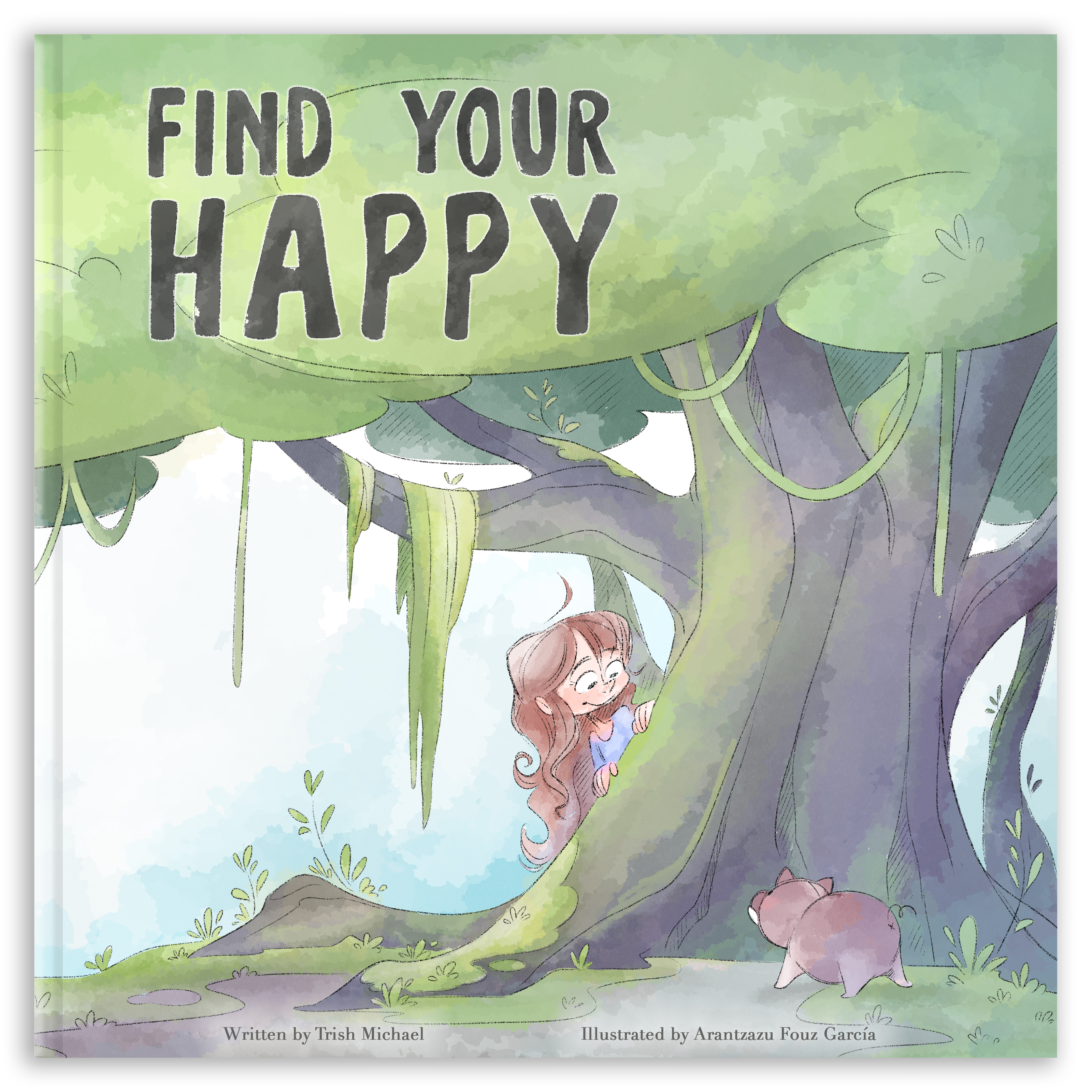
Big emotions + emotional resilience
find out more -

Boundaries + self-trust
find out more -
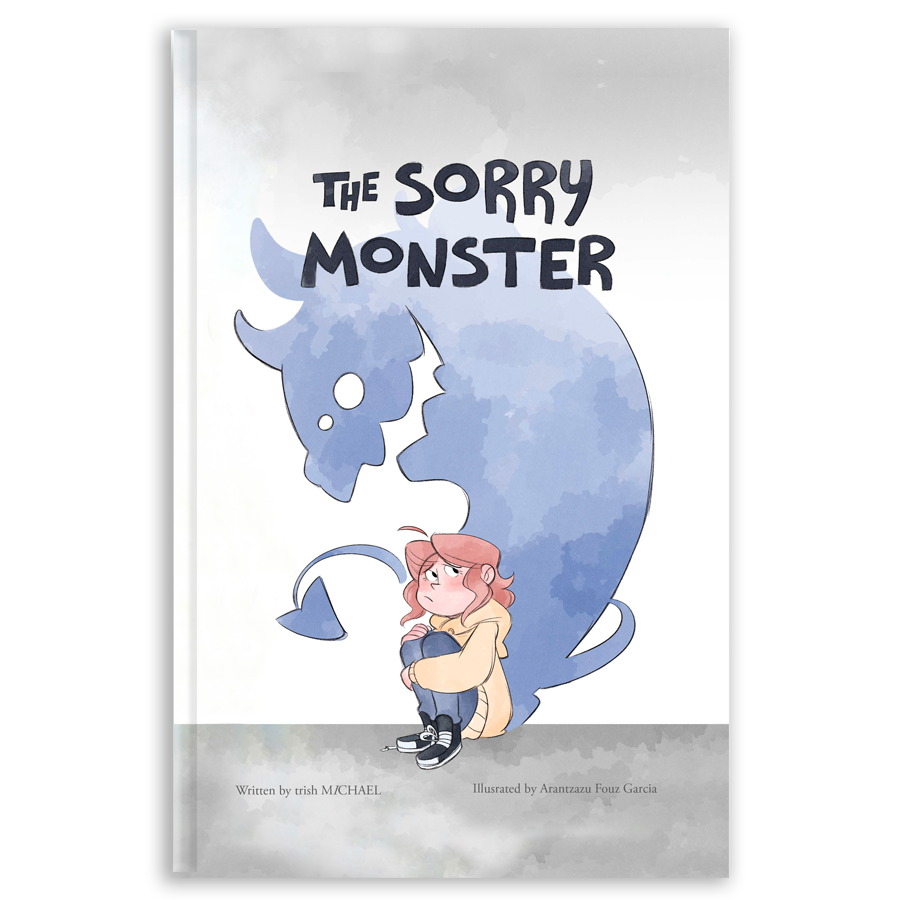
People-pleasing + healthy responsibility
find out more -

Confidence + inner strength
find out more


Collapsible content
What are the best books for a child dealing with a narcissistic parent?
Look for books that strengthen the child's own emotional skills rather than asking the child to diagnose or judge another person. Books about self-trust, boundaries, emotional awareness, resilience, people-pleasing and self-worth can give children practical tools they can use regardless of another person's behavior. The right starting point depends on the specific challenge your child is experiencing.
Do these books tell children their parent is a narcissist?
No. The books don't diagnose, label or identify another person as a narcissist. They focus on helping children understand their own emotions, boundaries, choices, responsibilities and worth.
Will these books encourage my child to reject the other parent?
No. The books aren't about choosing sides or telling a child what to think about another person. Their focus is the child's internal skills, including emotional awareness, boundaries, self-trust, resilience and confidence.
Can dads use these books if the difficult parent is the mother?
Absolutely. The books don't assume that a difficult or high-conflict parent is male or female. Their lessons are intentionally centered on the child rather than the gender or role of another person.
Can these books help children going through divorce?
They can be especially relevant during divorce because they teach skills children can use when circumstances feel uncertain or outside their control. However, the books don't discuss custody arrangements, divorce law or tell children how they should feel about either parent.
Which book should I start with?
Start with the problem your child is experiencing most often. Choose Find Your Happy for big emotions and worry, LIGHT for boundaries and saying no, The Sorry Monster for excessive apologizing and people-pleasing, and I Feel Super for confidence, resilience and inner strength. If several apply, consider the four-book Children's Healing Book Bundle.
Are the books religious?
No. The books don't promote or reference a particular religion. Their lessons about emotions, boundaries, resilience, confidence and self-trust are designed to be relevant across many different families, cultures and belief systems.
Are these books a substitute for therapy?
No. They're educational resources designed to help children understand and practice healthy emotional skills. They aren't therapy, diagnosis or a substitute for individualized mental-health care when a child needs professional support.
You Can't Control Every Experience Your Child Will Have.
But you can help them build something that goes with them everywhere.
A stronger inner voice. Healthier boundaries.
Greater emotional awareness.
More confidence in what they feel.
A deeper understanding of their own worth.
And the knowledge that even when the world around them feels complicated, they can learn to trust themselves.