You cannot control everything your child experiences. But you can help them develop the tools to navigate what they experience without losing themselves.
One of the most painful parts of parenting after an abusive relationship is knowing that your child may be exposed to behaviors you worked so hard to escape.
You may recognize manipulation, guilt, emotional pressure, blame, or controlling behavior. You may see your child becoming anxious, apologizing for things that aren't their fault, or questioning their own feelings.
And your instinct is to protect them.
Of course it is.
But when the person creating those experiences is your child's other parent, protection becomes complicated.
You don't want to put your child in the middle. You don't want to influence how they feel about someone they love. And you certainly don't want to become another person telling them what to think.
So how do you protect your child without turning them against the other parent?
You focus on strengthening the child rather than convincing them that the other parent is wrong.
1. Teach Your Child to Trust Their Own Feelings
Children exposed to emotional manipulation may begin doubting their own experiences.
They may hear that they're too sensitive, that something didn't happen the way they remember, or that their feelings are unreasonable.
Over time, repeated invalidation can make it harder to trust themselves.
Instead of telling your child what to think about someone else's behavior, help them understand their own emotions.
Try asking:
- "How did that make you feel?"
- "What do you think you needed in that moment?"
- "What would help you feel more comfortable?"
- "You can love someone and still feel upset about something they did. Do you want to talk about it?"
These conversations give children permission to experience their feelings without having to choose sides.
2. Teach Boundaries Without Making Them About the Other Parent
A child doesn't need to identify someone as abusive to understand that they're allowed to have boundaries.
They can learn that:
- Their feelings matter.
- They are allowed to ask for space.
- Saying no does not make them unkind.
- They are not responsible for managing an adult's emotions.
- Love should not require them to abandon themselves.
Of course, children's boundaries must be age-appropriate, and adults remain responsible for their safety. Children should never be expected to manage an abusive adult by themselves.
But these lessons give them an internal foundation that can serve them in every relationship.
3. Don't Make Your Child Responsible for the Truth
When another parent misrepresents events or makes hurtful statements, the temptation to correct everything can be overwhelming.
But children should not become judges of their parents' competing accounts.
You can correct harmful misinformation when necessary without launching into a character assessment of the other parent.
For example:
"I understand why that would be confusing. You don't have to figure out which parent is right. If you have questions, you can always ask me."
You can remain truthful without asking your child to carry adult conflict.
4. Help Them Recognize Healthy Relationships
Rather than teaching children to identify narcissists, teach them what healthy relationships feel like.
Healthy relationships allow room for disagreement, respect boundaries, acknowledge mistakes, and don't make someone responsible for another person's happiness.
Children who understand these principles can begin recognizing unhealthy dynamics for themselves.
The goal isn't to make them suspicious of everyone.
It's to help them develop discernment.
5. Give Them Emotional Tools They Can Use Anywhere
You cannot always be present when your child experiences something difficult.
But the lessons they carry within themselves can travel with them.
Emotional awareness. Self-worth. Resilience. Healthy boundaries. Confidence.
These aren't just coping skills for difficult family situations. They're life skills.
This is why I created my children's books and books for teens.
I wanted my own children to have messages they could return to when life felt confusing or circumstances were outside their control.
Not books that diagnosed someone.
Not books that told them which parent to trust.
Books that helped them trust themselves.
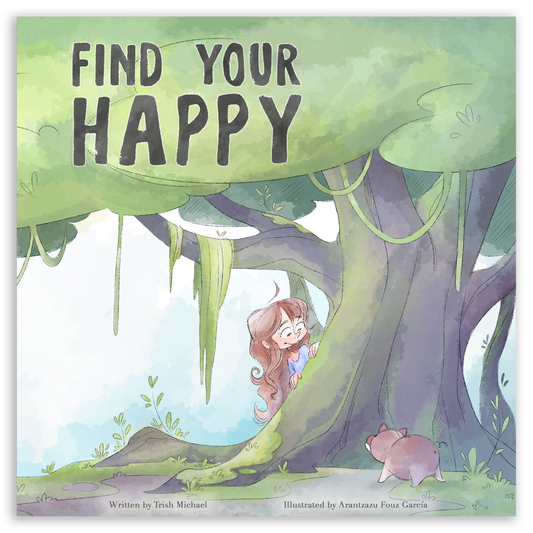
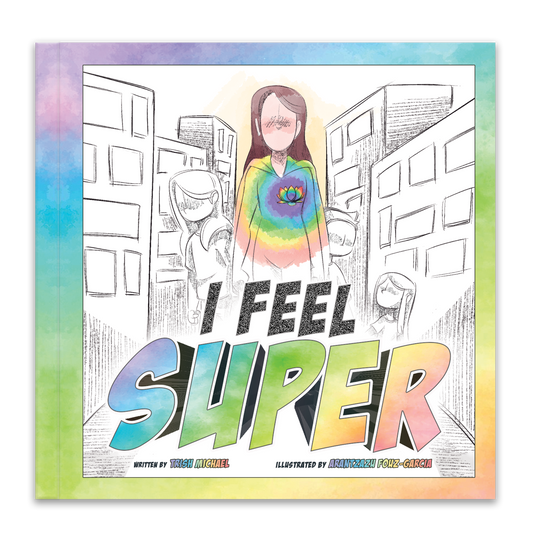
Find Your Happy, LIGHT, I Feel Super, and The Sorry Monster explore emotions, boundaries, resilience, and self-worth through gentle stories.
For older children, my Teen 3-Book Bundle builds on these ideas with lessons about confidence, personal responsibility, and independence.
6. Listen Without Interrogating
If your child shares something concerning, resist the urge to ask a series of leading questions.
Listen calmly. Thank them for telling you. Avoid making promises about outcomes you cannot control.
If they disclose possible abuse, record their words as accurately as possible and seek appropriate professional guidance rather than repeatedly questioning them.
Children need to know they can come to you without being responsible for what happens next.
7. Remember That Protecting Yourself Matters Too
Parenting through ongoing conflict is exhausting.
Your own emotional regulation, support system, and boundaries matter.
You don't have to be perfectly calm every moment. You do need opportunities to recover and access support so the conflict doesn't consume every part of your life.
And if your child is in danger, emotional education is not a substitute for intervention. Seek qualified legal, clinical, or child-protection assistance.
The Most Important Thing You Can Give Your Child
You may not be able to control what another parent says, believes, or does.
But you can help your child develop an internal voice that says:
"My feelings matter."
"I can trust myself."
"I am allowed to have boundaries."
"I am not responsible for fixing everyone."
"I deserve to be treated with respect."
You don't have to teach your child who the bad person is. You can teach them what healthy love, respect, and self-trust look like.
And those lessons can stay with them for a lifetime.
Give Your Child Tools That Grow With Them
Explore The Complete Children's Healing Collection, four hardcover stories designed to build emotional awareness, boundaries, self-worth, and resilience.
For teens and young adults, explore the Teen 3-Book Bundle featuring LIGHT, If Not You Then Who?, and The Work, available through Trish Michael's book collections.
Because while we cannot protect our kids from every negative experience our children have, we can help them build the inner strength to navigate those experiences.