There’s a phrase we hear constantly after divorce or separation:
“You have to learn how to co-parent.”
And in a healthy situation, that’s good advice.
Healthy co-parenting requires communication, flexibility, compromise, mutual respect, and... most importantly... two adults who are willing to put their children’s needs ahead of their own feelings about each other.
But what happens when only one parent is willing to do that?
What happens when every conversation becomes an argument? When reasonable requests turn into power struggles? When flexibility is used against you? When your boundaries are treated as challenges? When the children become messengers, information sources, bargaining chips, or casualties of an ongoing conflict?
At some point, trying harder to “co-parent” can actually create more conflict, not less.
That’s where parallel parenting can help.
Parallel parenting isn't about giving up on your children or refusing to work with their other parent. It’s about recognizing the reality of a high-conflict dynamic and creating a structure that reduces opportunities for conflict while allowing both parents to parent during their own time.
And sometimes, protecting your children begins with protecting your own peace.
What Is Parallel Parenting?
Traditional co-parenting generally involves a significant amount of collaboration.
Parents may discuss homework, activities, discipline, schedules, medical appointments, bedtime routines, school issues, and countless other decisions. They might attend events together, swap days when necessary, and communicate regularly about what is happening in their children's lives.
Parallel parenting creates more separation.
Instead of attempting to collaborate on every aspect of parenting, each parent manages their own household and parenting time as independently as possible, while still following the parenting plan and communicating about matters that genuinely require joint involvement.
Think of it this way:
Co-parenting says, “How can we work together?”
Parallel parenting says, “How can we each parent our children while creating as few opportunities for unnecessary conflict as possible?”
That distinction can be life-changing when you're dealing with someone who turns cooperation into conflict.
You Cannot Create Healthy Co-Parenting by Yourself
This may be one of the hardest things to accept.
You can become calmer. You can communicate better. You can stop reacting. You can be accommodating. You can attend therapy. You can read every parenting book available. You can choose your words carefully enough to deserve an honorary degree in diplomacy.
And you still cannot create a cooperative relationship with someone who does not want one.
Cooperation requires two people.
When one parent consistently uses communication, schedules, money, exchanges, activities, or even the children themselves as opportunities to create conflict or maintain control, continually trying to achieve the perfect co-parenting relationship can become exhausting.
Worse, you may begin believing that if you could just communicate better, explain yourself more clearly, or be a little more flexible, things would finally become peaceful.
Sometimes they won't. And recognizing that isn't failure.
It may simply mean you need a different strategy.
Parallel Parenting Is About Reducing the Battlefield
One of the biggest misconceptions about parallel parenting is that it's hostile.
It doesn't have to be.
In fact, the entire purpose should be the opposite.
Less conflict. Less access. Less friction. Less emotional chaos.
Instead of trying to fix the relationship between the parents, you create systems that make the relationship less necessary.
That might mean using written communication instead of phone calls, establishing predictable exchange procedures, keeping schedules clearly documented, limiting conversations to child-related matters, or reducing unnecessary negotiation.
The goal isn't to punish the other parent. The goal is to remove as many opportunities for conflict as reasonably possible.
Because every argument you don't have is one less argument your children may feel.
Stop Over-Explaining
High-conflict relationships can train us to explain ourselves endlessly.
We explain why we're asking. We explain why we can't switch weekends. We explain why something happened.
Then we explain our explanation when the explanation is challenged.
Before long, a simple scheduling question has become seventeen messages and you're defending something that never required defending in the first place.
Parallel parenting often requires learning to communicate differently.
Brief.
Factual.
Neutral.
Child-focused.
Instead of:
“I really need you to bring her back by six because she has a test tomorrow and she hasn't been sleeping well and I already told you last week that her teacher said…”
Sometimes all that's necessary is:
“Per the parenting schedule, pickup is at 6:00 p.m.”
You don't have to attend every argument you're invited to.
Boundaries Aren't About Controlling the Other Parent
This distinction matters enormously.
A boundary isn't:
“You aren't allowed to send me angry messages.”
You can't necessarily control whether someone sends them.
A boundary might be:
“I will respond to messages regarding the children that require a response. I will not engage with insults, accusations, or unrelated personal matters.”
One tries to control someone else's behavior.
The other determines your participation in it.
That is where much of your power lives.
You may not be able to stop someone from attempting to create chaos.
But you CAN become much more intentional about how much of that chaos gets access to you.
Create Systems Instead of Relying on Goodwill
In healthy relationships, flexibility can be wonderful.
In high-conflict relationships, ambiguity can become fuel.
Whenever possible, replace recurring negotiation with predictable systems.
That may include one primary method of communication, clearly defined exchange times and locations, a shared calendar or parenting communication platform, written records of important decisions, established procedures for schedule changes, and clear expectations around school, medical, or extracurricular information.
The more predictable the system, the fewer things there are to fight about.
And if you have a court-ordered parenting plan, follow it and seek appropriate legal advice before making changes that could conflict with it.
Don't Make Your Children the Communication System
Children should never have to carry adult communication between homes.
“Tell your dad…”
“Ask your mom…”
“Make sure your father knows…”
“What did your mom say about me?”
These seemingly small interactions can place children in an impossible emotional position.
Whenever reasonably possible, adult information should travel adult to adult, even if that communication has to be extremely limited and structured.
Your child shouldn't have to become the messenger simply because the adults have difficulty communicating.
Your Child May Experience Two Very Different Homes
This is one of the most painful parts of parallel parenting.
You may have worked incredibly hard to create emotional safety, consistency, boundaries, and stability in your home... and have very little control over what happens when your child walks out your door.
That can be terrifying.
It can also tempt you to spend enormous amounts of energy trying to control the other household.
But unless there is a genuine safety issue requiring professional or legal intervention, there may be limits to what you can control.
So your focus shifts.
From controlling everything around your child to strengthening what exists within your child.
Teach them that their feelings matter. Teach them that saying no doesn't make them mean. Teach them the difference between kindness and people-pleasing. Teach them that another person's disappointment doesn't automatically mean they've done something wrong. Teach them how to recognize what belongs to them emotionally... and what doesn't. Teach them that they can love someone and still have boundaries.
Teach them to trust themselves.
Those are tools children can carry between homes.
Don't Ask Your Child to Choose Sides
When you're dealing with a painful situation, it can be incredibly difficult to watch your child admire, defend, miss, or love someone who has hurt you.
But your child's relationship with their other parent belongs to them.
Children shouldn't have to reject one parent to prove loyalty to another.
That doesn't mean pretending harmful behavior is healthy. It means helping children understand behaviors, emotions, boundaries, and relationships without making them responsible for adult conflict.
Instead of teaching:
“Your other parent is a narcissist.”
You can teach:
“You are allowed to have boundaries.”
Instead of:
“Your other parent is manipulating you.”
You can teach:
“You don't have to make decisions because you're afraid someone will be angry or disappointed.”
Instead of telling children who to trust, help them develop the skills to trust themselves.
That distinction is incredibly powerful.
Protecting Your Peace Helps Protect Your Children
Children notice far more than adults sometimes realize.
They notice the tension before exchanges.
They notice when your phone buzzes and your entire body changes.
They notice when you're angry, anxious, distracted, or emotionally exhausted after an interaction.
Protecting your peace isn't selfish.
When you stop allowing every provocation to consume hours of your emotional energy, you have more of yourself available for your children.
Your home becomes less about recovering from the latest conflict and more about simply living.
Dinner. Homework. Laughing. Movie nights. Bedtime. Ordinary life.
And after prolonged conflict, ordinary can be incredibly healing.
The Goal Isn't Perfect Co-Parenting
The goal is raising healthy children.
If traditional co-parenting is possible, wonderful.
If it isn't, your children are not automatically doomed.
One stable parent matters.
One home where feelings are allowed matters.
One adult who listens matters.
One place where boundaries are respected matters.
One parent consistently demonstrating accountability, kindness, emotional regulation, and unconditional love matters.
You cannot control every experience your children will have.
None of us can.
But you can help give them an internal compass for navigating those experiences.
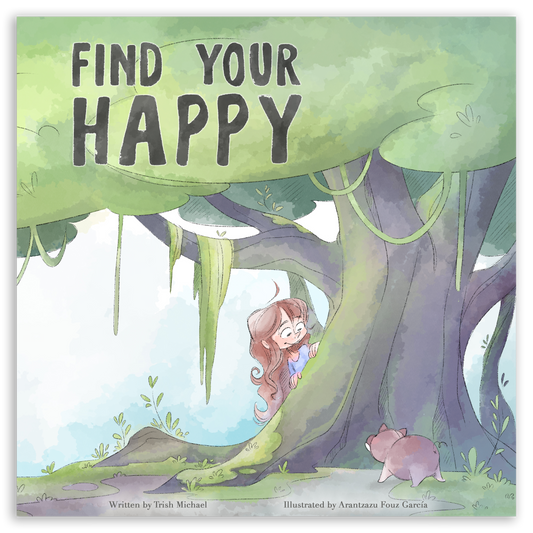
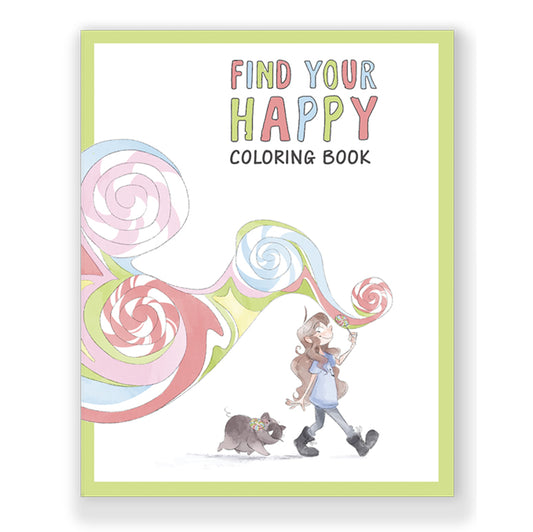
And that is exactly why I created my children's books.
They weren't written to teach children that one parent is “good” and the other is “bad.” They don't diagnose anyone. They don't ask children to choose sides.
They teach the things children need regardless of what's happening around them: emotional awareness, boundaries, self-trust, resilience, confidence, healthy choices, and the understanding that they aren't responsible for managing everyone else's feelings.
Because sometimes we can't change the environment our children have to navigate.
But we can give them better tools to navigate it.
And sometimes parallel parenting isn't about learning how to parent with a high-conflict ex at all.
It's about learning how to parent your children well without allowing the conflict to parent you.