What It Really Means to Be the Stable Parent When Co-Parenting With a Narcissist
If you're feeling unseen, unappreciated, misunderstood, exhausted, and like no matter what you do it's never enough...
You're probably doing it right.
And if you're worried that you're somehow failing your kids because you're not "winning" against the narcissist, let me offer you something that took me years to learn:
You just need to be you.
That's it.
Because one of the biggest traps of co-parenting with a narcissist is that they pull you into a competition you never agreed to participate in. Who is the better parent? Who do the kids like more? Who gets credit? Who looks good?
Meanwhile, you're over here just trying to raise healthy kids.
The truth is, being the stable parent often feels nothing like winning.
In fact, it often feels like losing.
Being the Stable Parent Means Doing the Hard Stuff
It means being consistent. It means holding boundaries. It means teaching responsibility. It means showing up day after day and doing the things that nobody applauds. It's helping with homework. Following through on consequences. Making sure everyone has what they need. Teaching kids to apologize when they're wrong. Teaching them to keep their word. Teaching them that effort matters. Teaching them that kindness matters. Teaching them how to become capable adults. And often, you're doing all of that while the other parent is actively undermining it.
When one parent is teaching responsibility and the other is removing accountability.
When one parent is teaching delayed gratification and the other is buying affection.
When one parent is trying to create stability and the other is creating chaos.
You begin to wonder if any of it matters.
It does.
More than you'll ever know.
The Invisible Work
Being the stable parent means carrying burdens no one else sees. It means making sure the bills get paid, the lights stay on, there's food in the fridge and making sure everyone gets where they need to go.
Sometimes it means doing all of that without receiving the support the court ordered.
Sometimes it means being called a gold digger while you're working through cancer treatments to keep everything afloat.
Sometimes it means receiving court filings accusing you of being unfit when the reality is that you're putting forth superhuman efforts to just keep things okay.
It's a strange reality.
The person doing the work is often the person being blamed.
The Smear Campaigns
Being the stable parent means attending games, meets, concerts, and school events knowing there are people in the room who believe things about you that aren't true.
People who have heard one version of the story.
People who have never asked yours.
And yet you show up anyway. Even though it's really hard. Because you're there for the kids. To make things as normal as possible for them.
Not to clear your name.
Not to defend yourself.
Not to convince anyone.
Just to parent your kids in the best way possible.
The Forced Visits
One of the hardest parts of all of this is watching your children struggle and being unable to fix it.
It means helping dysregulated kids find their footing again after visits.
Helping them process confusing situations.
Helping them feel safe.
Helping them reconnect with themselves.
And then watching them leave again.
It means receiving texts from children who are struggling. It means worrying from afar. It means hearing things you wish you didn't know.
And when people say, "It must be nice to have a break," you simply smile and nod.
Because they don't understand.
And honestly, you're too tired to explain it.
The Secret to Staying Sane
Here's the lesson that took me years to learn:
Your job isn't to make everyone understand.
Your job isn't to defend yourself to every person who believes the smear campaign.
Your job is to remain yourself.
To remain calm when they're creating chaos.
To remain honest when they're rewriting history.
To remain grounded when they're provoking reactions.
To remain consistent when they're inconsistent.
To remain loving when they're transactional.
To remain you.
Because children don't learn who is safe from what we say.
They learn who is safe from what we consistently do.
The Long Game
One of the hardest truths about co-parenting with a narcissist is that the results often take years to see.
Kids don't always understand accountability while they're living it. And many teenagers naturally interpret gifts as love and boundaries as control. It's developmentally normal.
But eventually they grow up.
Eventually they begin to notice.
Eventually they experience the real world.
Eventually they discover who helped them become capable.
Who taught them resilience.
Who taught them responsibility.
Who taught them self-respect.
The stable parent is playing the long game. And the long game often feels lonely.
Tools That Can Help
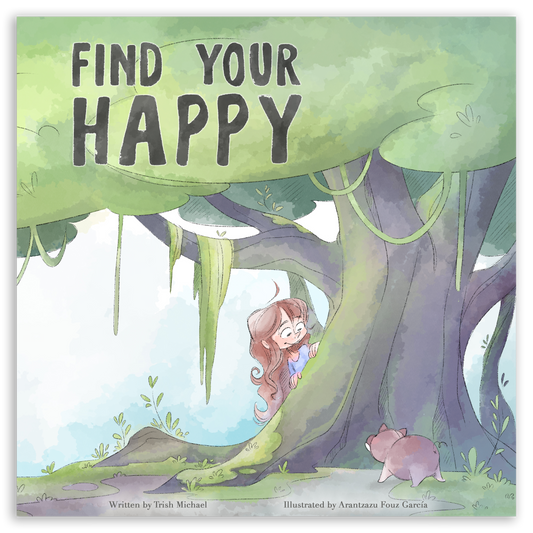
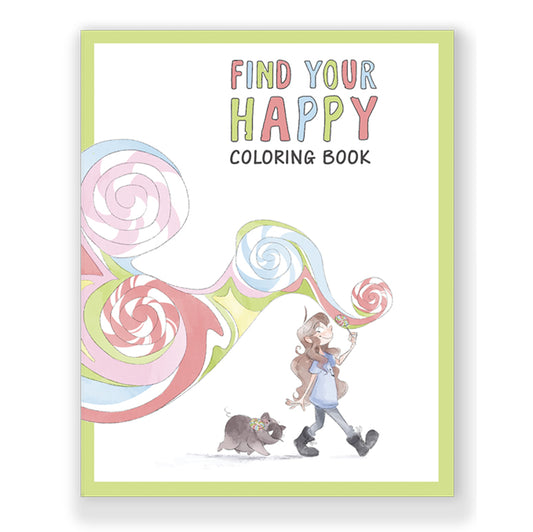
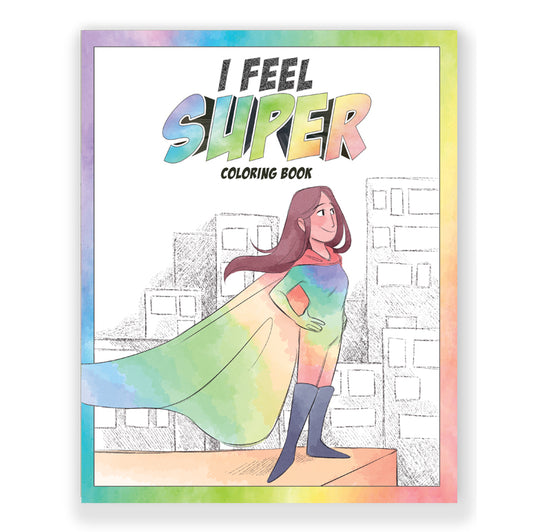
One of the reasons I wrote my children's books was because I wanted children to have support that wasn't dependent on me being in the room.
Books like LIGHT, Find Your Happy, I Feel Super, and The Sorry Monster don't tell children who the problem is.
They don't blame parents. They don't discuss narcissism.
Instead, they help children build confidence, boundaries, self-trust, emotional resilience, and healthy communication skills... things every child needs, regardless of what they're facing. But for kids dealing with a narcissist parent, they become a lifeline.
For older kids and teens, THE WORK continues that journey.
Because when a child is growing up in an environment where gifts, promises, money, attention, or affection are being used in confusing ways, it's incredibly important that they learn the difference between what is given and what is earned.
That confidence comes from doing the work.
That self-respect comes from keeping promises to yourself.
That growth often comes from the hard things.
And for the stable parent trying to survive financial abuse while rebuilding a life, my course, Reclaim Financial Power After Narcissistic Abuse, was created to help survivors move beyond survival mode and begin creating financial stability, confidence, and freedom again.
You Don't Need to Be Better
You don't need to convince everyone.
You don't need to clear your name.
You don't need to expose every lie.
You don't need to make people understand.
You need to be you.
That's what your kids need. And that's what you need too.
I realize, more than you know, how hard it is to do this. That's why I've created my books and resources. And that's why I keep sharing my story.
Because you're not alone.
And you can do this.